|
Reptile Heaters
Reptiles and humidityHumidity for reptiles can be created in a variety of ways.Humidity in a reptiles enclosure is important at all times. When a reptile is skin shedding the right degree of humidity must be available for the reptile. To humidify your terrarium, vivarium or reptiles habitat and maintaining the correct level of humidity in the reptiles enclosure can be achieved by some simple arrangements within the pets home. Humidity for a vivariumIf you have snakes or large lizards then a good and effective source of humidity can be created by using a tub or a shallow ground pond that has a large surface area. Plants may be planted in or around the tub in the reptiles vivarium. Humidity for a terrariumThe reptiles terrarium tub or pond should not have sides that are too high above the water line. The water tub should not have a smooth surface on the inside of the top lip. Most containers do have smooth sides so the surface of the container should be scoured. The surface of the tub should then be splattered with a light coating of cement or similar material. This will allow the reptile to remove itself from the terrarium tub without difficulty. Skin shedding for reptilesFill the container with water close to the top lip of the tub. If the edge of the container is to high above the water level the reptile may not be able to remove itself from the tub. Heaters that are suitable for heating the base of a reptiles container to create basking areas can be found HERE The heaters are compact and economical to operate. The depth of water will not alter the amount of humidity released. It is the amount of surface area that is covered by water that influences the amount of humidity. A large surface area of water is ideal for creating humidity within the reptiles enclosure. The water can also help in the skin shedding of reptiles. Reptiles often immerse themselves in water to help in skin shedding. Controlling humidity for reptilesTo control humidity for smaller reptiles a shallow and large surfaced area container will create a level of humidity within the terrarium. A large surfaced area dish is used to maximize the exposure of water to allow for vaporization to occur. As the water evaporates it increases the humidity level within the vivarium, terrarium or reptiles enclosure. This is a simple and economical way of controlling humidity for reptiles. Humidity and reptile healthHumidity within a reptiles enclosure can also be achieved by wetting the ground covering of the enclosure for reptiles with water and letting the water evaporate. When using this method of creating humidity for your reptiles habitat the damp floor covering must be allowed to dry completely before wetting it again. This will minimize the chance of a fungus or any bacteria that may exist within the reptile enclosure from developing. The health of your reptile will depend on the correct level of humidity, heating and lighting. A heater that can be used to heat reptiles can be found at this web site. The heaters are compact, weather proof and ideal for providing a variable climate for a reptiles habitat. A simple method to humidify an area and control the level of humidity is to use a cheap hand mister. Spraying a light mist of water will create a level of humidity for your pet within the terrarium, vivarium and reptile enclosure. 
Humidity in a terrarium and vivariumHumidity in a terrarium or vivarium can be created by having a full container of water placed upon the roof. This reservoir of water will be used to create a large amount of humidity for the reptiles enclosure.Ensure that the enclosures roof can support the container and weight of water. Pierce the bottom of the container with a very small hole and direct the water drops onto your selected area within the terrarium, vivarium and reptile enclosures. The flow of the water droplets should not create any large wet spots on the reptile enclosures floor. If you have a very large reptile enclosure that needs a humid environment then a hide with a damp substrate is a suitable alternative. Position on the floor of the reptiles habitat, terrarium or vivarium a suitable escape or hide container filled with any natural water retaining material. Allow the retaining material to evaporate dry of moisture and then add more water. This will create humidity within a small area that your pet can retreat into. Tropical humidity and reptilesReptiles that are part of the natural ecology in humid and tropical zones have adapted to their climate in a variety of ways. Introduced reptiles kept in tropical zones that are not exposed slowly to high humidity levels can suffer from humidity stress. Tropical areas are often humid because the upper level of clouds are saturated with humidity or water vapor and this can create rain. The rain falls into a lower section of air that is warmer. The falling rain then evaporates in the warm air thus creating more humidity. Regardless of what humidity system you use and how you humidify a reptiles area, a variable climate aand different levels of humidity can be the best solution for your reptiles habitat. This will allow your reptile to find an area of the terrarium or vivarium that suits it. The care sheets on reptile heating, cooling, lighting and humidity have been provided free for your personal use. The reptile humidity care sheets have come from a variety of professional sources and advice. They should only be used as a general guide to help you understand your reptiles health and vivarium, terrarium requirements. Do not use the sheets as a substitute for proper veterinarian advice and directions. |
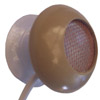 The small weather proof heater can also be used free standing or buried beneath the enclosures substrate.